
The Ultimate Guide to Business Card Design for Small Businesses


Understanding the Importance of Business Cards
In the digital age, it's easy to overlook the power of a well-designed business card. However, these small pieces of paper remain a crucial tool for networking and creating a lasting impression. For small businesses, a business card can be the first step in establishing a memorable brand identity.

Essential Elements of a Business Card
When designing a business card, several elements need to be considered. At the core, a good business card should include your business name, logo, contact information, and a tagline if applicable. These elements not only convey essential information but also reflect your brand's personality.
Choosing the Right Layout
The layout of your business card should be clean and organized. Use a balance of text and whitespace to ensure the card is easy to read. A cluttered design can overwhelm the recipient and obscure your message. Consider using both sides of the card to provide ample space for your content.
Typography and Color Scheme
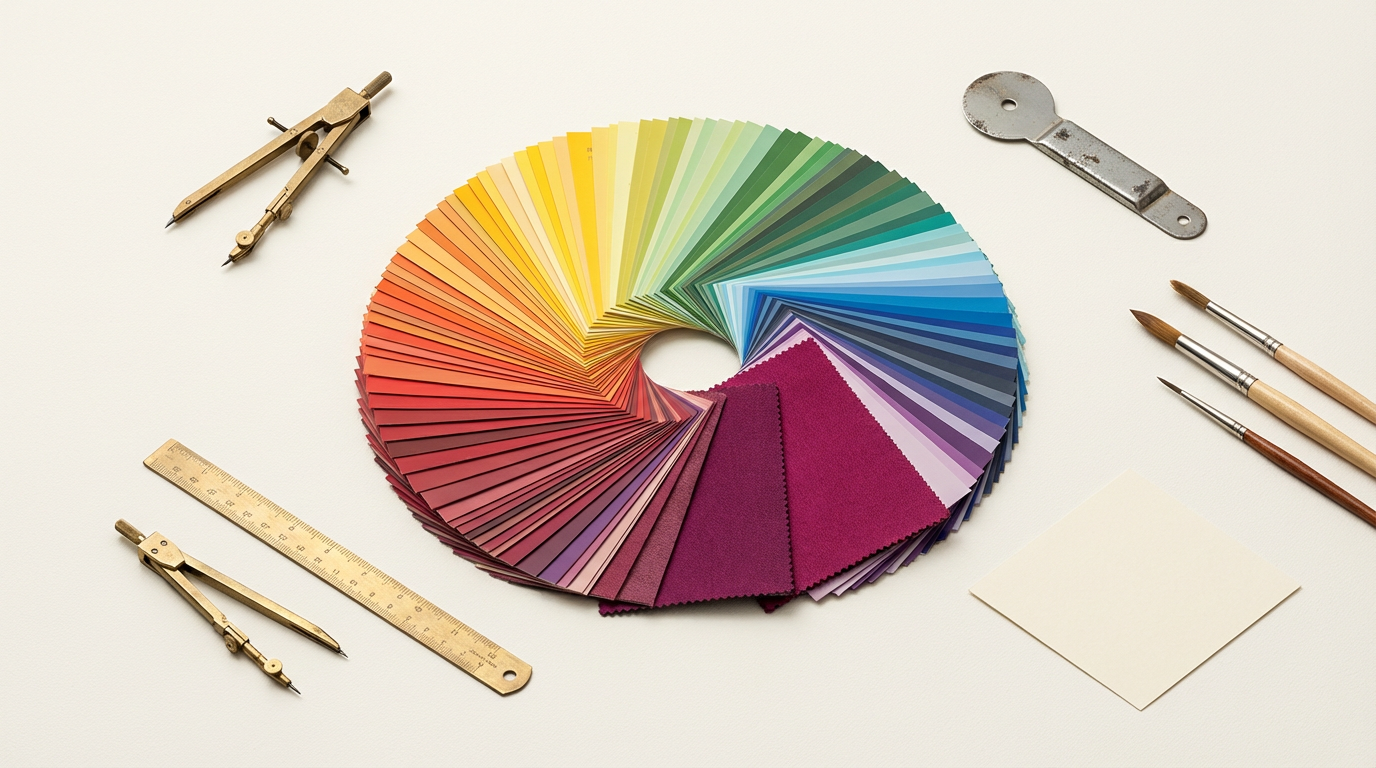
Typography plays a significant role in the effectiveness of a business card. Select fonts that align with your brand's style yet remain legible. Similarly, your color scheme should complement your logo and evoke the right emotions associated with your brand. Consistency in typography and colors strengthens brand recognition.
Innovative Design Tips
Standing out in a sea of business cards can be challenging. Incorporating unique design elements can help your card catch the eye. Consider using textured paper, embossing, or even unconventional shapes to make your card memorable. However, ensure that these elements do not compromise the card's functionality.
Including Social Media and Digital Elements
In today’s connected world, integrating digital elements into your business card can enhance its utility. Including social media handles or a QR code that links to your website or portfolio can provide additional ways for potential customers to engage with your brand. This modern touch can make your card a gateway to deeper interactions.

Printing and Material Considerations
The material of your business card can also communicate a lot about your brand. Opt for a sturdy stock that feels substantial in the hand. The finish—matte, gloss, or textured—should align with your brand's image. Partnering with a quality printer ensures that colors are vibrant and details are crisp, leaving a professional impression.
Cost-Effective Solutions for Small Businesses
Small businesses often need to balance quality with cost. Fortunately, there are many budget-friendly options that do not sacrifice quality. Consider ordering in bulk or using online printing services that offer competitive rates. Remember, an investment in high-quality business cards can lead to significant returns in brand perception and client engagement.
Conclusion: Making a Lasting Impression
Designing a business card is more than just creating a piece of paper with your contact details. It’s about crafting a mini-representation of your brand. By paying attention to design elements, materials, and printing quality, small businesses can create business cards that make a lasting impression and foster meaningful connections.