
The Importance of Visual Identity for Small Businesses


Understanding Visual Identity
Visual identity is more than just a logo or a color scheme. It encompasses all the visual elements that represent a brand, including typography, imagery, and design style. For small businesses, having a strong visual identity is crucial because it sets the tone for how customers perceive the brand.

Building Trust and Recognition
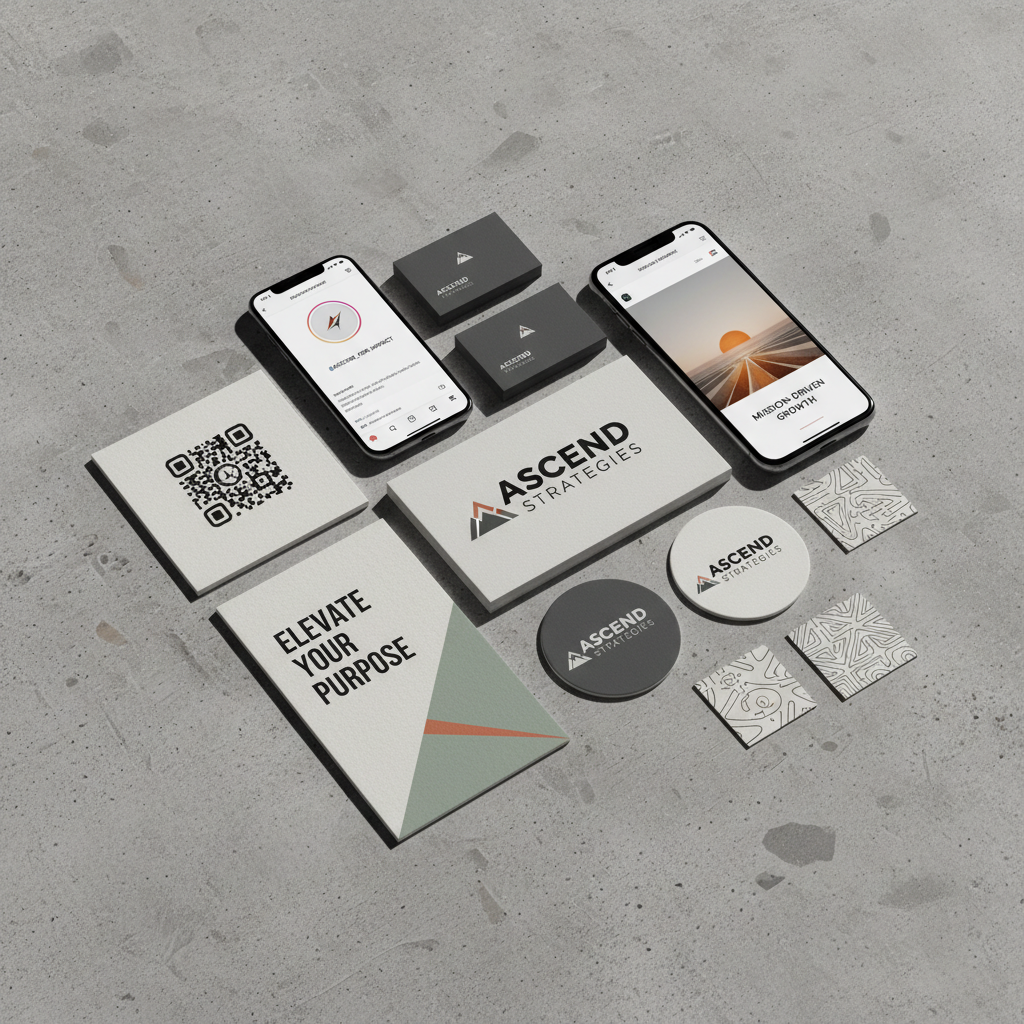
A consistent visual identity helps build trust and recognition among your audience. When customers see a cohesive design across all platforms, they are more likely to remember and trust your brand. This consistency can be achieved through uniform logo placement, color usage, and typography.
Investing in a professional design can set your business apart from competitors and create a lasting impression. A well-crafted visual identity signals that you are serious about your business and care about the quality of your products or services.
Components of Visual Identity
Several key components make up a visual identity:
- Logo: The visual cornerstone of your brand.
- Color Palette: A set of colors that convey the brand's personality.
- Typography: The fonts used in all brand communications.
- Imagery: The style of photos and graphics that represent the brand.
Enhancing Marketing Efforts
A strong visual identity can significantly enhance your marketing efforts. It ensures that all marketing materials—from social media posts to printed brochures—are easily recognizable as part of your brand. This recognition can lead to increased engagement and customer loyalty.
Moreover, a compelling visual identity can make your marketing campaigns more effective by ensuring that your messages are visually appealing and resonate with your target audience.
Creating Emotional Connections
Visual identity plays a vital role in creating emotional connections with your audience. Colors, imagery, and design can evoke specific feelings and associations. By strategically using these elements, small businesses can connect with customers on a deeper emotional level, fostering brand loyalty and advocacy.

Conclusion
In today's competitive market, a strong visual identity is not just a nice-to-have; it is essential for small businesses looking to stand out and succeed. By investing in a cohesive and compelling visual identity, businesses can build trust, enhance their marketing efforts, and create meaningful connections with their audience.
Whether you are just starting out or looking to rebrand, prioritizing your visual identity can lead to long-term benefits and help position your business for success.