
Sustainable Branding Solutions: How to Create an Eco-Friendly Visual Identity


Understanding Sustainable Branding
As businesses increasingly prioritize sustainability, creating an eco-friendly visual identity has become essential. Sustainable branding not only reduces environmental impact but also enhances brand reputation. It involves using design elements and materials that reflect environmental responsibility.
An eco-friendly visual identity can set your brand apart, appealing to the growing number of conscious consumers. This process requires thoughtful consideration of every branding element, from colors and fonts to packaging and promotional materials.
Choosing Eco-Friendly Materials
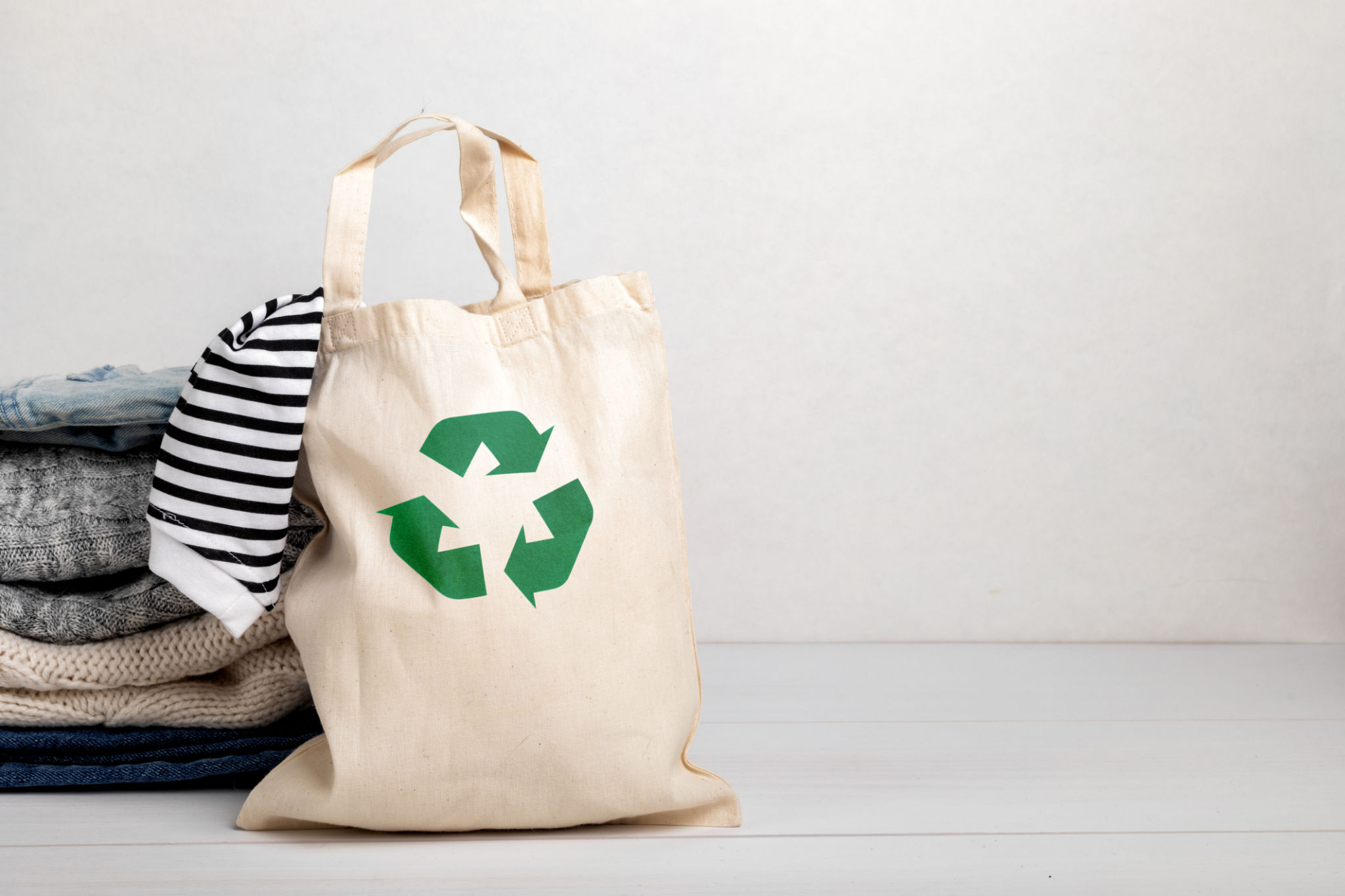
One of the most impactful ways to create a sustainable brand is by choosing eco-friendly materials. Opt for recycled or biodegradable options for your packaging and printed materials. Sustainable inks and dyes can further reduce environmental impact while maintaining vibrant visuals.
Consider digital solutions where possible. Digital media reduces the need for physical resources and allows for more flexible, scalable branding efforts. This approach is not only sustainable but also cost-effective.

Designing with Sustainability in Mind
Design plays a crucial role in sustainable branding. Minimalist designs often require fewer resources and can convey a clear, compelling message. Use colors that are not only aesthetically pleasing but also representative of your commitment to sustainability.
Fonts and graphics should be chosen with care, ensuring they are legible and align with your brand’s sustainability message. This consistency reinforces the brand’s values and mission, creating a cohesive and authentic image.

Implementing Green Practices
Beyond materials and design, implement green practices within your organization. Encourage recycling, reduce waste, and opt for energy-efficient processes. These practices not only support your brand’s visual identity but also demonstrate your overall commitment to sustainability.
Partnering with eco-friendly suppliers and manufacturers can further enhance your brand’s sustainability efforts. This collaboration ensures that every aspect of your branding, from production to delivery, aligns with eco-friendly principles.
Communicating Your Sustainability Efforts
Effectively communicate your sustainability efforts to your audience. Use your website, social media, and marketing materials to share your commitment to the environment. Transparency builds trust and strengthens customer loyalty.
Highlight certifications and partnerships with environmental organizations. Customers appreciate brands that take tangible steps towards sustainability, and these efforts can significantly enhance your brand’s reputation.

Measuring and Adapting
Regularly measure the impact of your sustainable branding efforts. Use analytics tools to track engagement and customer feedback. This data can provide insights into what resonates with your audience and what areas can be improved.
Be prepared to adapt and innovate your branding strategies as sustainable practices evolve. Staying informed about new developments in eco-friendly technologies and trends ensures your brand remains relevant and impactful.
In conclusion, creating an eco-friendly visual identity is a comprehensive process that requires careful planning and execution. By focusing on sustainable materials, thoughtful design, green practices, and clear communication, you can build a brand that not only stands out but also contributes positively to the planet.